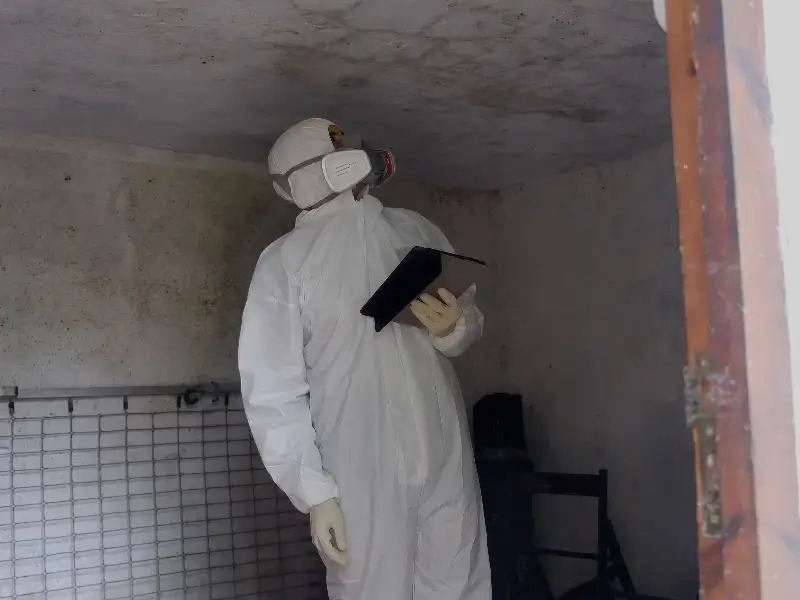
Mold is one of those problems that’s easy to suspect and hard to confirm on your own. A musty smell, a small dark patch in the corner of a bathroom, or a family member who suddenly can’t shake allergy-like symptoms at home are all reasons San Diego homeowners search for a mold inspection — but knowing when it’s actually necessary can be surprisingly hard to pin down.
Signs You May Need a Mold Inspection in San Diego
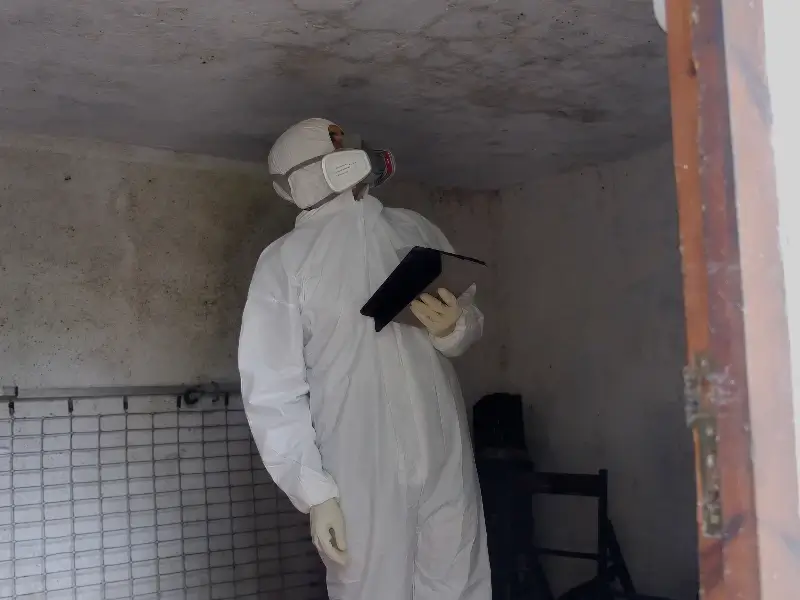
A professional mold inspection is worth scheduling any time you notice a musty odor that won’t go away, visible discoloration on walls or ceilings, recent water damage or a past leak that was never fully dried out, or unexplained respiratory symptoms, allergies, or headaches that improve when you’re away from home. It’s also a smart step before buying or selling a home, particularly one with a history of water intrusion, since mold can be present behind walls or under flooring with no obvious surface signs.
What Happens During a Professional Mold Inspection
A thorough inspection starts with a visual walkthrough of the property, paying close attention to bathrooms, kitchens, basements, attics, and any area with a history of moisture. Inspectors use moisture meters to check for elevated dampness inside walls and flooring, and may recommend air sampling, surface swab tests, or HVAC testing to identify what type of mold is present and whether spore counts indoors are elevated compared to outdoor air. Hard-to-reach areas sometimes require limited removal of drywall or tile to fully assess what’s happening behind the surface.
Mold Inspection vs. Mold Testing vs. Mold Remediation: What’s the Difference?
These three terms get used interchangeably but mean different things. Inspection is the visual and instrument-based assessment of your home to identify moisture problems and likely mold locations. Testing refers specifically to collecting air, surface, or HVAC samples and sending them to a lab to confirm what type of mold is present and in what concentration. Remediation is the actual removal and cleanup process, which is a separate service — pricing depends heavily on the extent of the infestation and the scope of work required, which is why an in-person assessment is the only reliable way to get a number.
How to Choose a Qualified Mold Inspector in San Diego
Look for an inspector who is independent from any remediation work they might recommend, or who clearly discloses the relationship if their company handles both services. A reputable inspector will explain their testing methodology, provide a written report with lab results (not just a verbal opinion), and won’t pressure you into same-day remediation services before you’ve had a chance to review the findings.
Quick Answers
How do I know if I need a mold inspection?
A persistent musty odor, visible staining, recent water damage that wasn’t fully dried out, or unexplained allergy symptoms that ease when you’re away from home are all good reasons to schedule one.
What’s the difference between mold testing and a mold inspection?
An inspection is the visual and instrument-based walkthrough to find likely mold locations; testing is the lab-analyzed sampling (air, surface, or HVAC) that confirms the mold type and concentration.
Is a mold inspector the same as a mold remediation company?
Not necessarily — and for an unbiased result, look for an inspector who is independent from remediation work or who clearly discloses the relationship if their company handles both.
Schedule Your Mold Inspection in San Diego
If you’re noticing musty odors, staining, or health symptoms that point to mold, don’t wait to find out what’s really going on. Independent Restoration Professionals (IRP) provides thorough mold inspections throughout San Diego County, using professional-grade moisture detection and testing to give you a clear answer and a clear next step. Call IRP at (858) 943-2971 to schedule your inspection.